Training Cutting Horses: From Ranch Work to Competition
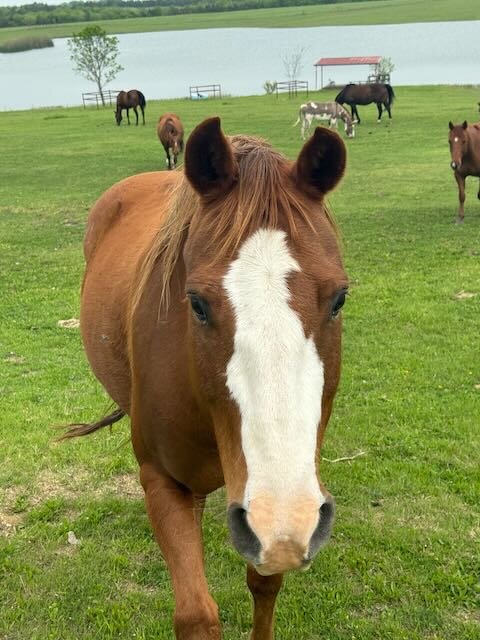
The best cutting horses aren’t made in an arena—they’re developed on working ranches where cattle work is a daily necessity, not a staged event. At EC Ranch, we’ve been training cutting horses since 1984, and our approach is simple: let the horse learn from real work before we ever ask them to compete.
This philosophy has served us well for over 40 years. The horses we produce have genuine cow sense because they’ve earned it moving our 300-head commercial Beefmaster herd through pens, pastures, and handling facilities day after day.
The Foundation: Why Ranch Work Matters
Most people want to jump straight to the arena. They buy a well-bred colt, send them to a trainer, and hope for magic. Sometimes it works, but often it doesn’t—because the horse never learned the fundamental language of working cattle.
What ranch work teaches that arena training can’t:
Reading cattle: A horse working real cattle learns to anticipate movement before the cow makes it. They develop an instinct for when a cow is thinking about turning, when they’re bluffing, and when they’re committed.
Problem-solving: In a pasture, there’s no pattern. Cattle don’t move in predictable circles. A ranch horse learns to adapt, think, and make decisions independently.
Confidence: Daily exposure to cattle builds a calm, steady demeanor. Arena-only horses often get flustered when cattle don’t behave like they expect.
Stamina and soundness: Real work builds muscle, bone, and mental toughness. A horse that can work all morning gathering cattle will have no problem with a 2.5-minute cutting run.
Partnership with the rider: Ranch work teaches a horse to trust their rider’s judgment while also developing the confidence to work independently when needed.
Starting Colts on Cattle: Ages 2-3
Ground Work and Foundation (18-24 months)
Before a colt ever sees a cow, they need solid ground manners and basic training:
- Halter breaking: Done gently but thoroughly
- Grooming and handling: Build trust and establish routines
- Desensitization: Exposure to ropes, tarps, clippers, and other ranch tools
- Leading and tying: Essential safety skills
- Yielding to pressure: Foundation for all future training
At EC Ranch, we handle our colts from birth. By the time they’re ready for saddle training, they’re confident, curious, and comfortable with people.
First Rides (24 months)
We start colts under saddle at two years old, focusing on:
Basic responses:
- Moving off leg pressure
- Stopping from the seat
- Turning and bending
- Backing up
- Standing quietly
Building confidence:
- Short sessions (20-30 minutes)
- Positive experiences
- Varied environments (arena, pastures, trails)
- No drilling or repetition that causes sourness
Introducing cattle exposure:
Initially, we just pony young horses alongside experienced cow horses during cattle work. They watch, they smell the cattle, they see how the older horses respond. This passive learning is invaluable.
First Cattle Work (24-30 months)
When a colt is ready—and readiness varies by individual—we introduce them to cattle work gradually:
Pen work: We start in a small pen with calm, gentle cattle. The goal isn’t cutting—it’s just getting the horse comfortable moving near cattle, turning away from them, and understanding that cows move when pushed.
Sorting: Next step is helping sort cattle in a working pen. The horse learns to position themselves, respond to the rider’s cues, and stay focused despite distractions.
Tracking: We’ll point the horse at a single cow and let them follow it around the pen. No fast work yet—just tracking at a walk and trot.
Developing Cow Sense: The Daily Work Phase
This is where EC Ranch horses gain their advantage. From age 2.5 to 4, our prospects work cattle nearly every day—not in an arena, but doing real ranch jobs.
What “Real Work” Looks Like
Gathering cattle: Riding pastures to bring cattle to pens. Horses learn to read the herd, position themselves correctly, and handle pressure when cattle don’t want to move.
Pen work: Sorting, drafting, loading, and moving cattle through handling facilities. Horses develop the ability to single out individuals and control their movement.
Doctoring: Holding cattle while we check, treat, or vaccinate. Horses learn patience and how to control a cow without escalating tension.
Weaning and shipping: High-pressure situations where cattle are stressed and unpredictable. Horses learn to stay calm and focused despite chaos.
Skills Developed Through Ranch Work
By the time a horse has a year or two of regular ranch work, they’ve developed:
Natural positioning: They know where to be to control a cow without being told Rate control: They can read how fast to approach or retreat Cow psychology: They understand when to push and when to back off Focus: They can work in distracting, chaotic environments Confidence: They’ve seen it all and aren’t easily rattled
These horses don’t just “know” cattle—they understand them at an instinctive level.
Transition to Arena Training: Ages 3-4
When to Make the Shift
We typically transition horses to focused cutting training between ages 3 and 4, depending on:
- Physical maturity
- Mental readiness
- Cow sense development
- Owner’s goals
There’s no rush. A horse with solid ranch work foundation will progress faster in the arena than one pushed too early.
Arena Introduction
First sessions:
- Work fresh cattle in a small pen or round pen
- Keep sessions short (15-20 minutes)
- Focus on stopping in front of a cow
- Reward try, not perfection
- Build confidence gradually
Developing “the stop”:
This is the signature move of cutting—when a horse plants their feet and mirrors the cow’s movement. We develop this by:
- Letting the horse track a cow naturally
- Gradually asking for a stop in front of the cow
- Rewarding when they hold position
- Building duration slowly
Hand position:
As the horse gains confidence, we gradually give them more freedom:
- Start with two hands for control
- Progress to neck reining
- Eventually, work on a loose rein
- The goal: horse works independently while staying within the rider’s control
Building Competition Skills
Herd work: Teaching the horse to enter a herd calmly, cut a cow quietly, and drive it to the center
Turn-back awareness: Recognizing the turn-back riders and using them to control the cow
Time management: Learning to complete a pattern within 2.5 minutes
Pen presence: Staying focused despite arena noise, crowds, and distractions
Consistency: Performing the same quality work every ride, every day
Common Training Challenges
Anticipation: Horse tries to cut before being asked. Solution: Vary the routine, reward patience.
Quitting on cattle: Horse gives up when the cow challenges them. Solution: Work tougher cattle, build confidence gradually.
Overworking: Horse gets too aggressive or pushy. Solution: Take them back to ranch work, calm things down.
Sourness: Horse shows unwillingness or resentment. Solution: Reduce arena time, add variety, check for pain or soreness.
The EC Ranch Training Philosophy
What We Believe
Cattle work should be natural, not forced: A horse that loves their job will always outperform one that’s been drilled into submission.
Foundation matters more than flash: We’d rather have a horse that’s solid and dependable than one that’s spectacular but inconsistent.
Every horse is an individual: Training timelines are guidelines, not rules. We let each horse progress at their own pace.
Mental health equals physical performance: A happy, confident horse will try harder and last longer than a stressed, soured one.
Real work beats practice: One day gathering cattle teaches more than a week in an arena.
Our Process
- Solid ground work and foundation riding (18-24 months)
- Gradual cattle exposure through observation and passive learning (24-30 months)
- Daily ranch work to develop natural cow sense (30-48 months)
- Arena introduction when horse shows readiness (36-48 months)
- Competition training for horses with aptitude and desire (48+ months)
Not every horse becomes a competition cutter, and that’s okay. Some excel as ranch horses, some as rope horses, some as pleasure mounts. We let the horse tell us what they want to do.
Selecting Prospects: What to Look For
Bloodlines
We focus on proven cutting horse bloodlines:
- High Brow Cat
- Metallic Cat
- Smart Little Lena
- Doc O’Lena
- Dual Pep
These lines consistently produce horses with natural cow sense, athleticism, and the mental aptitude for cutting.
Physical Attributes
Ideal cutting horse build:
- Moderate size (14.3-15.2 hands)
- Strong hindquarters for stopping and turning
- Good feet and bone
- Athletic, not clunky
- Balanced and proportional
Movement:
- Natural collection
- Quick, agile footwork
- Ability to accelerate and stop quickly
- Fluid, athletic transitions
Mental Characteristics
This is often more important than physical traits:
- Cow interest: Does the horse watch cattle? Are they curious or indifferent?
- Focus: Can they concentrate despite distractions?
- Confidence: Do they recover quickly from mistakes?
- Trainability: Do they try to understand what’s being asked?
- Desire: Do they seem to enjoy the work?
You can improve physical ability with conditioning, but you can’t create desire or cow sense that isn’t there.
Equipment and Tack
For Training
Saddle: We use ranch saddles for most work—comfortable for long days and built for durability
Bit: Usually start in a snaffle, progress to a short shank bit, eventually work in a traditional cutting bit
Reins: Split reins for two-handed work, romal or closed reins for finished horses
Protective gear: Always use splint boots on front legs, sometimes hind legs depending on the work
For Competition
Cutting saddle: Lighter weight, designed for quick movements
Appropriate bit: Per NCHA rules and horse’s preference
Proper attire: Chaps, appropriate clothing, and boots
Competition Preparation
Showing Your Ranch-Developed Horse
If you decide to show, your ranch-trained horse has advantages:
Mental toughness: They’ve seen everything. Show nerves aren’t an issue.
Genuine cow sense: They read cattle naturally, not by memorizing patterns.
Versatility: They can handle fresh cattle, tired cattle, wild cattle, or lazy cattle.
Durability: They’re conditioned for work, so they stay sound longer.
Show Expectations
Be realistic: Not every ranch horse will win Fort Worth. But a solid ranch-developed horse will:
- Be competitive at local and regional shows
- Provide years of enjoyable competition
- Stay sound and willing longer than many arena-only horses
- Transition easily back to ranch work when show careers end
Balancing Ranch Work and Competition
We never completely abandon ranch work, even with horses in active competition. Regular ranch work:
- Keeps them fresh and interested
- Maintains their edge and cow sense
- Prevents sourness from arena repetition
- Reminds them why they enjoyed cattle work in the first place
Cost Considerations
Training a cutting horse is an investment. Here’s what to expect:
Professional training: $800-1,200/month (varies by region and trainer)
Competition costs: Entry fees, hauling, accommodations, memberships
Equipment: Quality tack and show clothes aren’t cheap
Health and maintenance: Regular farrier work, vet care, chiropractic, etc.
Time commitment: Showing requires significant travel and time
Alternative approach: Many of our buyers train their own horses with occasional professional help. This is slower but far less expensive, and the partnership you build is irreplaceable.
The EC Ranch Difference
When you buy a cutting horse prospect from EC Ranch, you’re getting more than good bloodlines. You’re getting a horse that’s been developed the right way—through real work, not shortcuts.
Our horses:
- Have daily exposure to cattle from a young age
- Learn cow sense naturally through ranch work
- Are handled regularly and have solid ground manners
- Come from proven cutting bloodlines
- Are started correctly with patience and consistency
We don’t rush. We don’t force. We let each horse develop at their own pace, ensuring they have the foundation to succeed whether you want a ranch horse, a competitive cutter, or both.
Success Stories
Over 40 years, we’ve produced horses that have excelled in:
- NCHA competitions (local to national level)
- Working ranch horse events
- Team penning and sorting
- Recreational cattle work
- Breeding programs
But our proudest achievements aren’t the buckles and checks—they’re the phone calls from buyers years later, telling us their horse is still sound, still willing, and still loves their job.
Final Thoughts
Training a cutting horse from ranch work to competition is a journey, not a race. It requires patience, consistency, and respect for the horse as an individual.
The horses we develop at EC Ranch reflect our philosophy: cattle work should be natural, training should build confidence, and a horse’s mental well-being matters as much as their physical ability.
Done right, you’ll have a partner that doesn’t just perform—they excel because they genuinely enjoy the work. And there’s no better feeling than riding a horse that loves their job as much as you love riding them.
Ready to Find Your Next Cutting Horse?
EC Ranch has AQHA-registered cutting horse prospects from proven bloodlines, developed through daily cattle work on our commercial ranch. If you’re looking for a horse with natural cow sense and the right foundation, we’d love to help you find your next partner.
View our current horse inventory or contact us to discuss your goals and available prospects.
About the Author: Cindy Carroll has been training cutting horses at EC Ranch since 1984. With over 40 years of experience developing horses through ranch work and competition, she specializes in creating horses with genuine cow sense and willing attitudes.